Whole Grains in the Kitchen: Easy Swaps for Better Everyday Meals

Chef Karim
CHEF
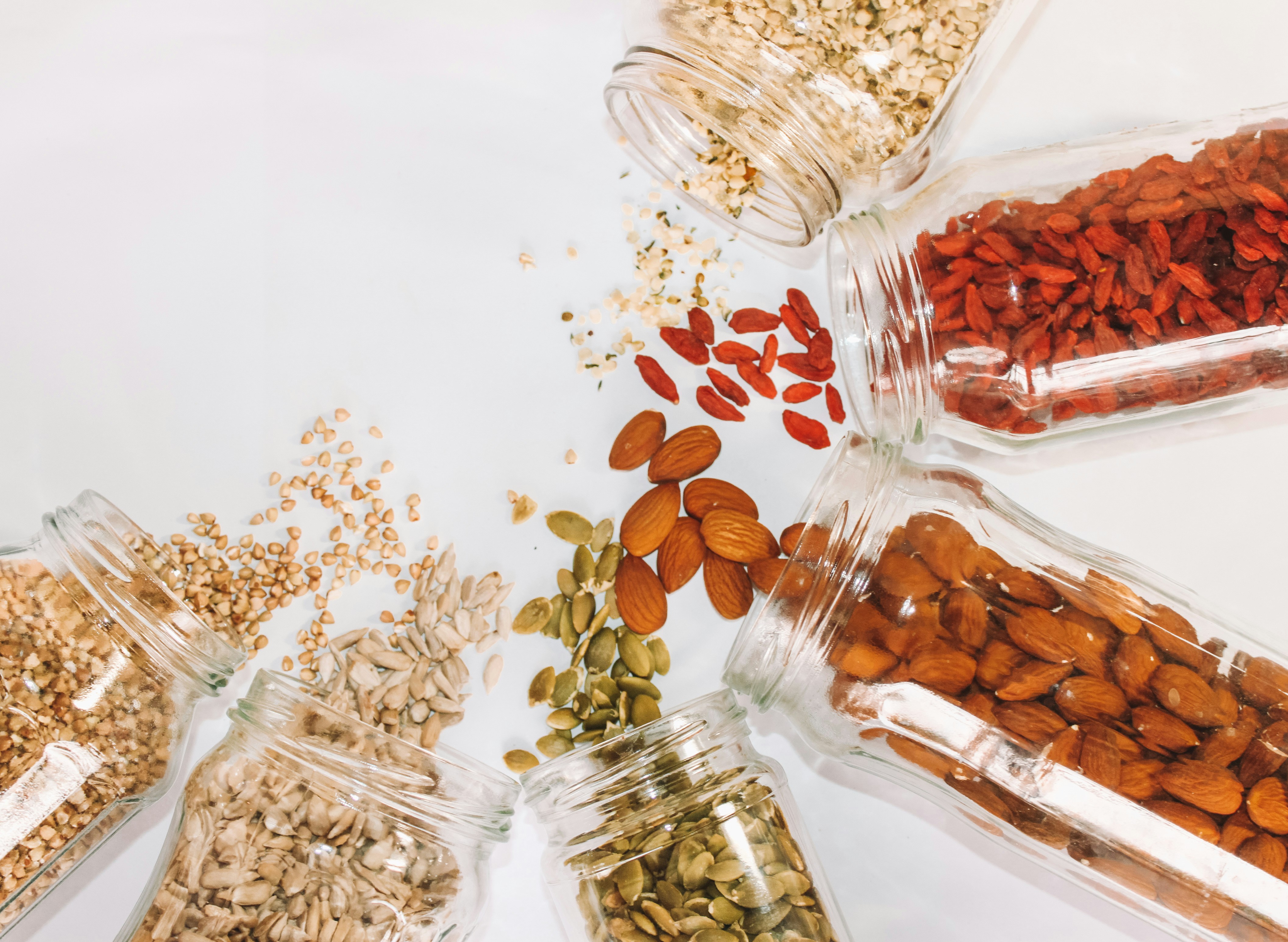
Whole grains don't have to mean complicated recipes or completely changing the way you eat.
From oats at breakfast to whole-grain bread, brown rice, bulgur and other grains at lunch or dinner, they can fit naturally into familiar meals.
The key is knowing how to use them.
What Are Whole Grains?
Whole grains contain all three main parts of the grain kernel: the bran, germ and endosperm.
Refined grains, on the other hand, have some components removed during processing.
Whole grains are often valued because they provide dietary fiber along with vitamins, minerals and other nutrients.
The Harvard T.H. Chan School of Public Health guide to whole grains explains why choosing whole grains more often can be part of a healthy eating pattern.
Start With Breakfast
Breakfast is one of the easiest meals for introducing whole grains.
Oatmeal is an obvious example, but there are plenty of other possibilities.
Try:
Oatmeal with fruit and nuts
Whole-grain toast with eggs
Whole-grain flatbread with vegetables
Homemade oat-based breakfast recipes
Whole-grain cereal with fruit and yogurt
You don't need to make breakfast complicated.
A simple combination of whole grains, fruit, protein and healthy fats can make a satisfying start to the day.
Replace Refined Grains Gradually
You don't need to replace everything at once.
If you normally eat white rice, try mixing it with brown rice.
If you usually use refined bread, try a whole-grain variety for some meals.
If you make salads with refined grains, experiment with bulgur or another whole grain.
Small changes are often easier to maintain than dramatic dietary changes.
Brown Rice Isn't the Only Option
Many people associate whole grains exclusively with brown rice.
There are actually many options.
Depending on availability and your preferences, you can experiment with:
Oats
Whole-wheat bread
Bulgur
Barley
Brown rice
Whole-grain pasta
Whole-grain couscous
Different grains have different textures and flavors, which can make meals more interesting.
Add Whole Grains to Salads
A grain can turn a simple salad into a more substantial meal.
Try combining cooked bulgur or another whole grain with:
Vegetables + herbs + legumes + olive oil + lemon
For example, bulgur with tomatoes, cucumber, parsley, chickpeas and lemon can create a colorful and satisfying dish.
Explore our healthy salad recipes for more inspiration.
Whole Grains in Soups
Grains can also work beautifully in soups.
Barley, oats and other grains can add texture and make a soup more substantial.
They can be combined with vegetables and legumes to create comforting meals that work particularly well during colder months.
This is another example of how one ingredient can be used across several types of dishes.
Don't Forget Traditional Cooking
Healthy eating doesn't require abandoning traditional cuisine.
Many traditional recipes can be adapted by changing one ingredient while keeping the character of the dish.
For example, you might experiment with different grains in couscous-style dishes or use whole-grain bread alongside vegetable-rich meals.
The goal is not to make traditional food unrecognizable.
It's to find practical ways to increase variety while keeping the flavors you enjoy.
Discover more Moroccan recipes and explore different ways to build balanced meals.
Read the Label
Not every product that looks brown is automatically a whole-grain product.
When buying packaged bread, cereal or pasta, check the ingredient list and nutrition information.
Look for whole grains as a prominent ingredient rather than relying only on the product's color or marketing claims.
Combine Whole Grains With Other Foods
A balanced meal is about more than choosing one particular carbohydrate.
Try combining whole grains with:
Vegetables
Beans or lentils
Fish
Eggs
Poultry
Nuts and seeds
Yogurt or other suitable protein sources
This creates meals with different textures, flavors and nutrients.
The World Health Organization's healthy-diet guidance also emphasizes dietary variety and foods such as whole grains, vegetables, fruits and legumes.
Make the Switch Easier
If whole grains seem unfamiliar, start with meals where they naturally fit.
For example:
Week 1: Replace one bread choice with whole-grain bread.
Week 2: Try oats for breakfast.
Week 3: Add bulgur to a salad.
Week 4: Experiment with brown rice or whole-grain pasta.
There's no need to rush.
The objective is to discover foods you enjoy enough to keep eating.
Final Thoughts
Whole grains don't have to be complicated, expensive or boring.
They can become part of breakfasts, salads, soups, side dishes and traditional meals.
Start with one simple swap, experiment with different grains and combine them with vegetables, legumes and other nutritious ingredients.
Healthy cooking works best when it fits naturally into your existing lifestyle.
Explore more healthy recipes and discover practical meals built around simple ingredients.
Reader Comments (0)
Have thoughts on this article?
Sign in to leave a comment or share your experience.
No comments yet
Be the first to share your thoughts on this article!