The Healthy Cooking Methods That Can Change the Way You Eat

Chef Karim
Executive Culinary Director
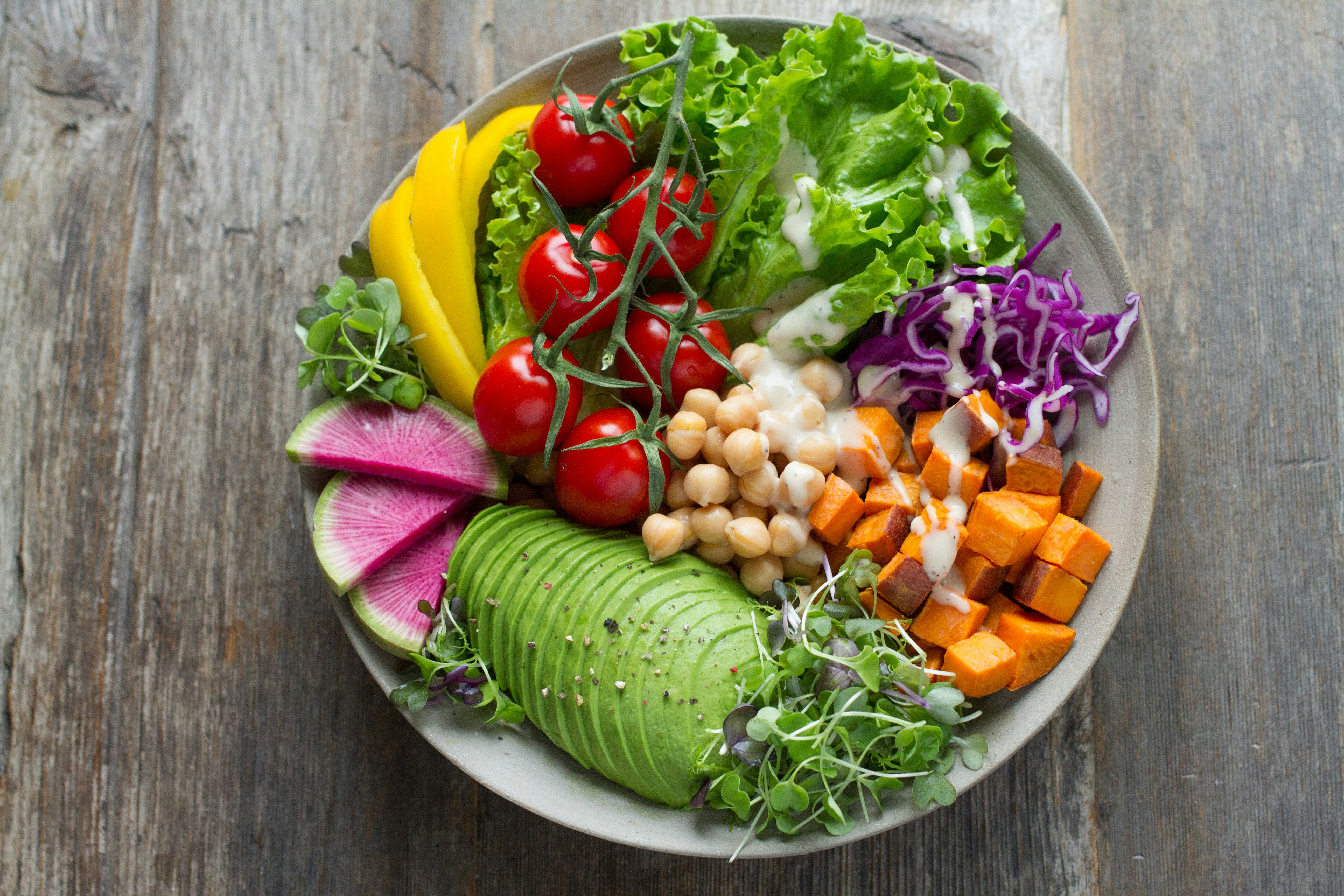
Cooking isn't only about making food taste good. The way you prepare an ingredient can change its texture, flavor, and sometimes its nutritional value. Fortunately, eating well doesn't mean giving up delicious meals or spending hours in the kitchen.
A few simple cooking techniques can make everyday meals more balanced while keeping the flavors you enjoy.
1. Steaming: Simple, Light and Versatile
Steaming is one of the easiest ways to cook vegetables without immersing them in water. Broccoli, carrots, zucchini, green beans and cauliflower can all work beautifully with this method.
Because the food isn't sitting directly in cooking water, steaming can help limit the loss of some water-soluble nutrients compared with prolonged boiling.
The best part? You don't need complicated equipment. A basic steamer basket can be enough.
Try steaming vegetables until they are tender but still slightly firm, then finish them with olive oil, lemon juice, garlic or fresh herbs.
2. Roasting Brings Out Natural Flavor
Roasting can transform ordinary vegetables into something much more flavorful.
Carrots become naturally sweet, onions develop deeper flavors, and cauliflower gets beautifully browned around the edges.
Instead of relying heavily on sauces, try combining vegetables with herbs, spices, garlic and a moderate amount of olive oil before roasting.
This simple technique can make healthy ingredients much more exciting.
3. Sautéing Doesn't Have to Mean Heavy Cooking
Sautéing uses a relatively small amount of cooking fat and can be an excellent way to prepare vegetables, mushrooms, legumes or lean proteins.
A useful trick is to build flavor in stages.
Start with ingredients such as onion or garlic, add vegetables, then season with herbs and spices. A squeeze of lemon at the end can add brightness without requiring a heavy sauce.
4. Grilling Adds Flavor Without Complicated Recipes
Grilling is another practical cooking method, particularly for vegetables, fish and other protein-rich foods.
Bell peppers, zucchini, eggplant, mushrooms and corn can all develop a delicious smoky flavor when grilled.
For a balanced meal, combine grilled vegetables with a protein source and a whole-grain side such as brown rice, bulgur or whole-grain bread.
5. Boiling Still Has Its Place
Boiling sometimes gets a bad reputation, but it can be extremely useful.
Beans, lentils, potatoes, pasta and many other foods are commonly prepared by boiling. The important factor is how the complete meal is assembled.
For vegetables, very long cooking times can result in greater losses of some water-soluble nutrients. When appropriate, shorter cooking times can help preserve texture and flavor.
And don't forget that cooking water can sometimes be incorporated into soups or sauces rather than simply discarded.
6. Choose the Method According to the Ingredient
There isn't one cooking method that is always "the healthiest."
Different ingredients respond differently to heat, water and cooking time.
For example:
Broccoli: steaming or quick sautéing
Carrots: roasting, steaming or sautéing
Fish: baking, steaming or grilling
Potatoes: boiling, baking or roasting
Legumes: simmering until properly cooked
Vegetables for soups: gentle simmering
The goal isn't to follow rigid rules. It's to have several techniques available so that healthy ingredients remain enjoyable.
7. Flavor Doesn't Have to Come From Salt
One of the easiest ways to improve everyday cooking is to build flavor before reaching for extra salt.
Experiment with:
Garlic
Onion
Lemon
Black pepper
Paprika
Cumin
Turmeric
Ginger
Fresh herbs
Vinegar
Spices
This is especially useful when preparing vegetables, legumes and simple proteins.
The World Health Organization recommends limiting sodium intake and notes that much of the sodium people consume comes from processed foods and added salt.
WHO — Healthy diet
8. A Healthy Cooking Method Is Only One Part of the Meal
Changing the cooking method can help, but the overall meal matters too.
A practical everyday meal can combine:
Vegetables + protein + whole or minimally processed carbohydrates + a source of healthy fat.
For example, roasted vegetables with grilled fish and whole-grain rice can create a satisfying meal without requiring complicated recipes.
You can find more ideas by exploring our healthy recipes and vegetable recipes.
9. Don't Forget About Portion and Ingredient Quality
Even a good cooking technique can't compensate for an unbalanced diet.
Healthy eating is about the overall pattern of foods you eat over time rather than one individual ingredient or one cooking technique.
The Harvard T.H. Chan School of Public Health's Healthy Eating Plate offers a useful visual approach: emphasizing vegetables and fruits, whole grains and healthy protein sources.
Final Thoughts
Healthy cooking doesn't have to mean boring food.
Steaming, roasting, sautéing, grilling and boiling can all be part of a healthy kitchen. The key is to choose the technique that works best for the ingredient, use flavorful herbs and spices, and build meals around a variety of nutritious foods.
Start with one small change. Roast your vegetables instead of always boiling them. Try steaming fish. Add more herbs and spices. Experiment with different grains.
Over time, these small cooking habits can make preparing nutritious meals feel completely natural.
Explore more easy healthy recipes and discover new ways to cook everyday ingredients.ticle content here...
Reader Comments (0)
Have thoughts on this article?
Sign in to leave a comment or share your experience.
No comments yet
Be the first to share your thoughts on this article!