Ras el Hanout: What It Is and How to Use It

Chef Karim
CHEF
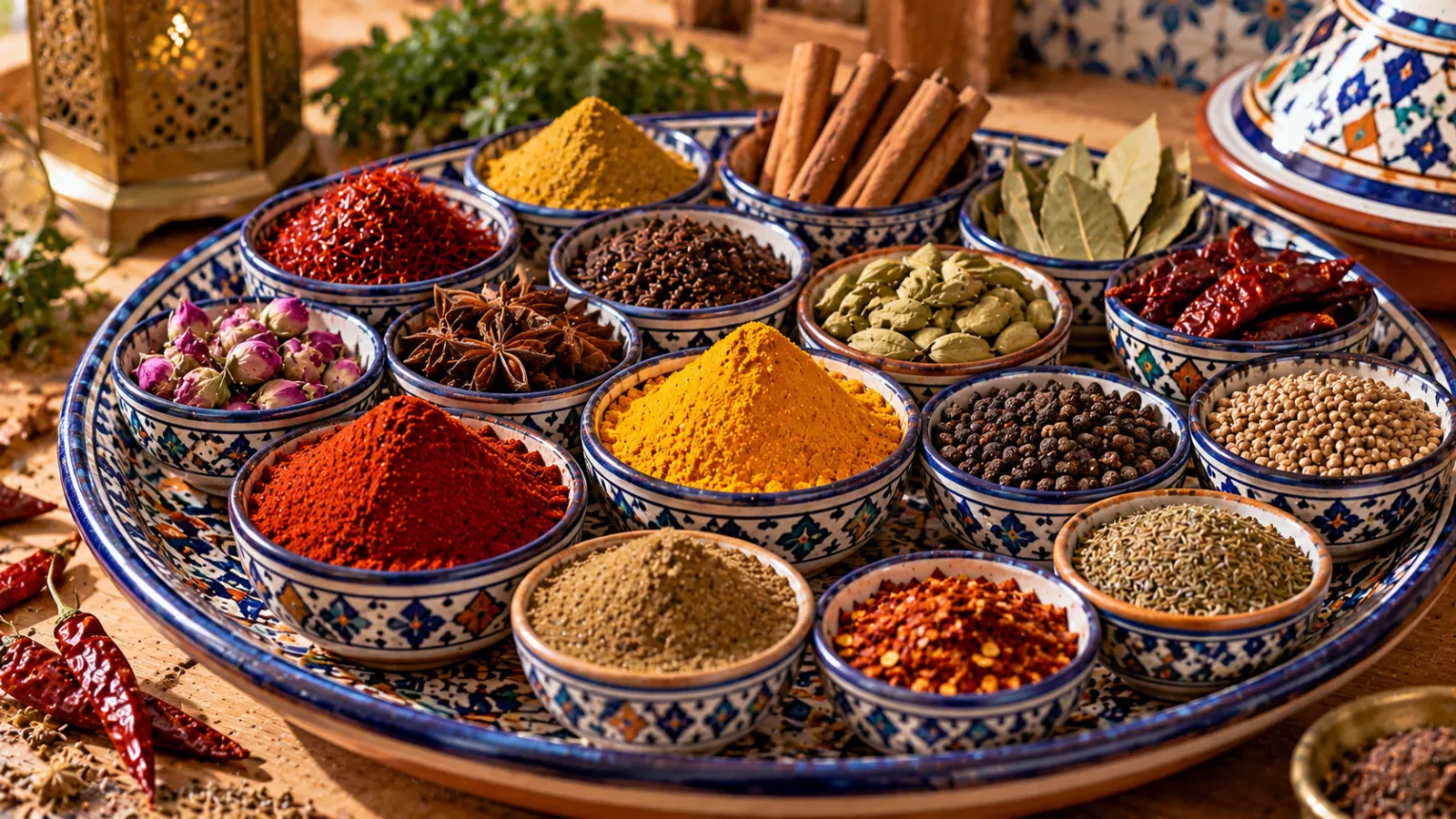
Ras el hanout is a warm, fragrant spice blend from North Africa, most closely associated with Morocco. The name is usually translated as "head of the shop", which hints at its reputation: traditionally it was a spice seller's best house mix, a showcase of what they had on the shelves.
It is not hot in the chilli sense. Instead it tastes rounded and aromatic, with earthy cumin and coriander, sweet cinnamon, a lift from ginger and a floral note from cardamom. A spoonful can turn a plain stew, a tray of roast vegetables or a pot of couscous into something that tastes carefully layered. Here is what goes into it, how to make your own and how to get the most out of it.
What is in ras el hanout?
There is no single official recipe. Commercial blends might contain around a dozen spices, while some traditional shop blends are said to include many more. That said, most versions are built from a similar core.
- Earthy base: cumin, coriander and turmeric.
- Warm and sweet: cinnamon, nutmeg, allspice and sometimes mace.
- Aromatic: ginger, cardamom and cloves.
- Heat and colour: black pepper, sweet paprika and a little cayenne or dried chilli.
- Special extras: some blends add dried rose petals, grains of paradise, fennel, anise or lavender.
Because of this flexibility, two jars labelled ras el hanout can taste quite different. One may lean floral and sweet, another more peppery and savoury.
Why it varies from family to family
In Morocco, ras el hanout has long been something a spice merchant mixes to their own formula, and households often have a preferred shop or their own way of adjusting it. The proportions shift with taste, with what is available and with the dish it is meant for. A blend used for a sweet lamb tagine with prunes might carry more cinnamon, while one for grilled meat might be heavier on cumin and pepper.
This is good news for home cooks. It means there is no "wrong" ras el hanout, only one that suits your cooking. Once you have tried a basic blend, feel free to nudge it in the direction you like.
A simple homemade ras el hanout
This version uses ground spices, so you can make it in five minutes with what is likely already in your cupboard. It makes about 1/3 cup (roughly 35 g).
- 2 tsp ground cumin
- 2 tsp ground coriander
- 2 tsp ground ginger
- 1 1/2 tsp sweet paprika
- 1 tsp ground turmeric
- 1 tsp ground cinnamon
- 1 tsp freshly ground black pepper
- 1/2 tsp ground allspice
- 1/2 tsp ground cardamom
- 1/4 tsp ground nutmeg
- 1/4 tsp ground cloves
- 1/4 tsp cayenne pepper (or more, to taste)
- Put all the spices in a small bowl and whisk well with a fork, or shake them together in a clean, dry jar with the lid on.
- Taste a tiny pinch. If it seems too sharp, add a little more cinnamon or coriander; if it seems flat, add a little more cumin and pepper.
- Transfer to an airtight jar and label it with the date.
Making it with whole spices
For a more vivid blend, use whole cumin, coriander, cardamom pods (seeds only), black peppercorns, cloves and allspice berries. Toast them in a dry frying pan over medium-low heat for 2 to 3 minutes, shaking often, until fragrant but not smoking. Let them cool completely, grind them finely in a spice grinder, then mix with the ground ginger, turmeric, paprika, cinnamon, nutmeg and cayenne. If you have dried culinary rose petals, a teaspoon of crumbled petals adds a lovely floral note.
How to use ras el hanout
As a rough starting point, use 1 to 2 teaspoons per 1 lb (450 g) of meat or vegetables, or 1 to 1 1/2 tablespoons for a pot of stew serving four to six. You can always add more at the end.
- Tagines and stews: lamb with apricots or prunes, chicken with chickpeas, or a mixed vegetable tagine. Stir it into the onions as they soften so the spices cook in the oil.
- Rubs and marinades: mix 2 teaspoons with 2 tablespoons olive oil, a crushed garlic clove, lemon juice and salt for chicken thighs, lamb chops or salmon.
- Roast vegetables: toss carrots, squash, cauliflower or sweet potatoes with oil, ras el hanout and salt, then roast at 425°F (220°C) for 25 to 35 minutes.
- Couscous, rice and grains: add 1/2 teaspoon to the cooking liquid or stir it into the oil you fluff the grains with.
- Soups: a teaspoon in lentil, chickpea or tomato soup adds depth.
- Dips and dressings: stir a pinch into yoghurt with lemon and salt, or into hummus.
- Burgers and meatballs: about 1 teaspoon per 1 lb (450 g) of minced lamb or beef.
Common mistakes
- Adding it raw at the end. Ground spices taste dusty unless they meet fat and heat. Bloom ras el hanout in oil for 30 to 60 seconds, or cook it into the dish.
- Burning it. Paprika and ground spices scorch fast. Keep the heat medium-low and add a splash of liquid if the pan looks dry.
- Using too much. Blends with plenty of cloves or cardamom can become medicinal. Start small.
- Forgetting salt. Most homemade blends contain no salt, so season the dish separately.
Storing ras el hanout
Keep the blend in a small airtight jar, away from light, heat and steam, so not right above the stove. Ground blends are at their best for about 3 to 6 months; after that they are still safe to use but noticeably weaker. Whole spices keep their flavour much longer, so if you cook with ras el hanout often, store the whole spices and grind small batches as you need them.
If you are out of it, a quick stand-in is equal parts cumin, coriander and ginger with half parts cinnamon and paprika and a pinch of cloves. It will not be as complex, but it will point the dish in the right direction.
Ras el hanout rewards experimenting, so make a small jar, use it all week and adjust the next batch to your taste. When you are ready to put it to work, explore our Moroccan and Arabic recipes for tagines, couscous and roasts that show it off.
Reader Comments (0)
Have thoughts on this article?
Sign in to leave a comment or share your experience.
No comments yet
Be the first to share your thoughts on this article!