How to Make a Balanced Meal Without Complicated Diet Rules

Chef Karim
CHEF
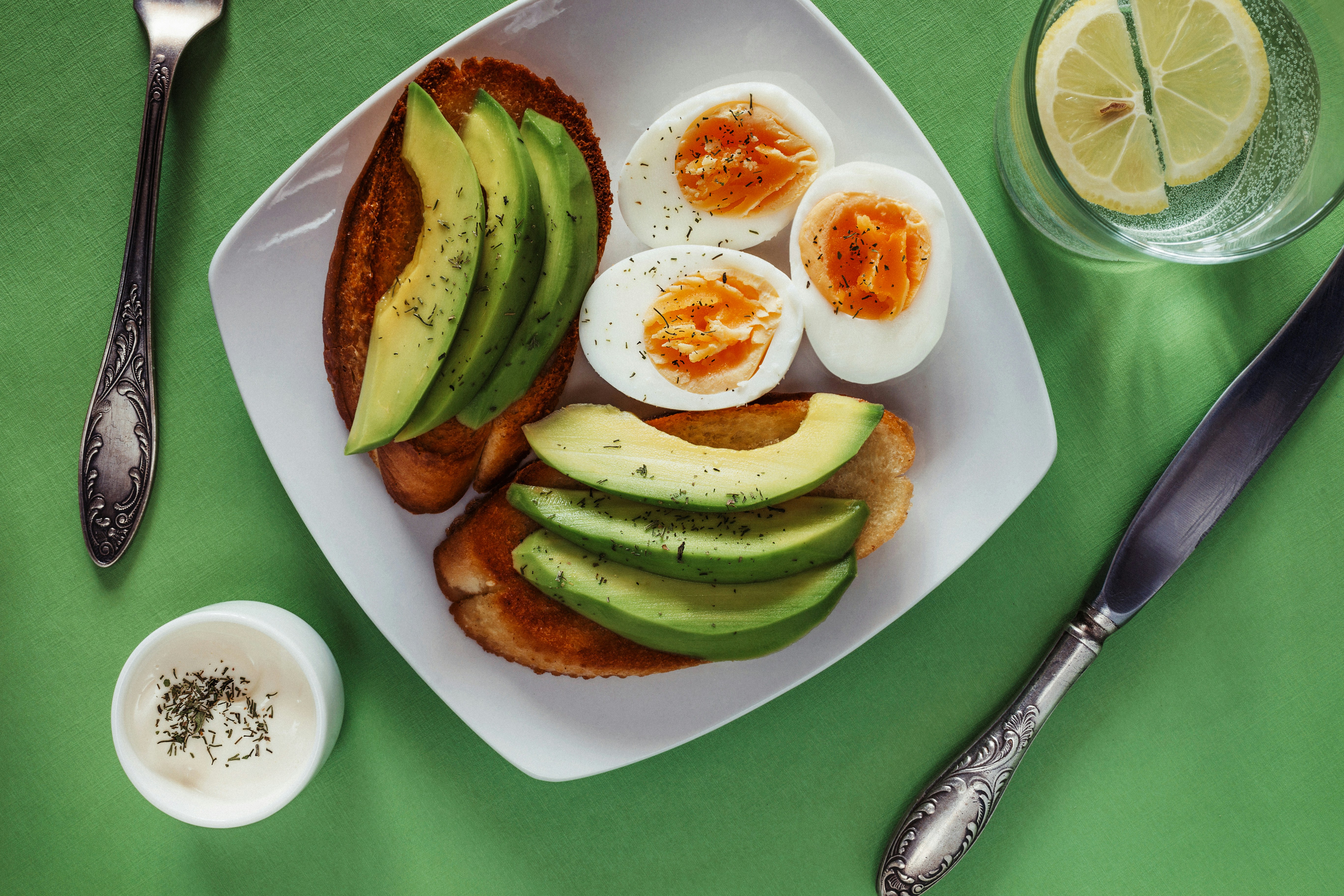
Eating a balanced meal doesn't have to involve complicated calculations, strict food rules or an entirely different kitchen routine.
In fact, one of the easiest approaches is to stop thinking about individual foods and start thinking about the meal as a whole.
A balanced plate can combine vegetables or fruit, a source of protein, whole grains or other carbohydrates, and a source of healthy fats. The exact combination can change depending on the recipe, culture, appetite and individual needs.
What Does a Balanced Meal Look Like?
There isn't one perfect plate that everyone needs to follow.
However, a useful starting point is to include several different food groups in the same meal.
Think about:
Vegetables or fruit
Protein-rich foods
Whole grains or other carbohydrate sources
Healthy fats
This approach creates variety without requiring you to count every calorie or nutrient.
The Harvard Healthy Eating Plate provides a practical visual framework for building meals around vegetables, fruits, whole grains and healthy protein sources.
Start With Vegetables
Vegetables can become the foundation of many everyday meals.
Instead of thinking of vegetables as something that must be served separately, make them part of the main recipe.
Add peppers and onions to eggs.
Add spinach to pasta.
Add carrots and zucchini to a stew.
Serve roasted vegetables alongside fish or chicken.
Mix vegetables into rice or grain dishes.
This makes it much easier to create variety without having to prepare a completely separate vegetable dish.
Add a Protein Source
Protein helps make meals more satisfying and is needed for many important functions in the body.
Depending on your preferences and dietary pattern, protein can come from foods such as:
Beans
Lentils
Chickpeas
Eggs
Fish
Poultry
Yogurt
Nuts and seeds
Other protein-rich foods
You don't have to eat meat at every meal to create a balanced plate.
Legumes such as lentils and chickpeas can be especially useful in soups, salads, stews and traditional dishes.
Choose Your Carbohydrates Wisely
Carbohydrates are not something you automatically need to avoid.
They can be part of a healthy meal, particularly when you choose nutritious sources and appropriate portions.
Whole grains such as oats, brown rice, bulgur and whole-grain bread can provide carbohydrates along with dietary fiber and other nutrients.
You can read more about the role of whole grains in the Harvard Nutrition Source guide to whole grains.
Don't Forget Healthy Fats
A small amount of healthy fat can add flavor and help make meals more satisfying.
Examples include:
Olive oil
Avocado
Nuts
Seeds
Certain fish
For example, a salad containing vegetables, chickpeas, whole grains and a simple olive-oil dressing can become a much more substantial meal than vegetables alone.
Build a Balanced Breakfast
Breakfast doesn't need to be complicated.
Consider:
Option 1: Oatmeal + fruit + nuts
Option 2: Eggs + whole-grain toast + tomatoes
Option 3: Yogurt + fruit + oats + seeds
Option 4: Vegetable omelet + whole-grain bread
The important thing is variety rather than following one specific breakfast every day.
Make Lunch More Complete
Lunch is another opportunity to combine several food groups.
For example:
Grilled chicken + roasted vegetables + brown rice
or
Chickpeas + tomatoes + cucumber + bulgur + herbs + olive oil
or
Lentil soup + whole-grain bread + vegetable salad
These combinations don't require complicated cooking.
They simply bring several complementary ingredients together.
Make Dinner Flexible
Dinner can follow the same basic principle.
You might prepare grilled fish with vegetables and potatoes one day, then make a lentil and vegetable stew the next.
There is no need to eat the same foods every day.
Variety can make healthy eating more enjoyable and can expose you to a broader range of nutrients.
The World Health Organization's healthy-diet guidance emphasizes dietary variety and recommends diets that include foods such as vegetables, fruits, legumes, nuts and whole grains.
Traditional Food Can Be Balanced Too
Healthy eating doesn't mean abandoning traditional recipes.
Many traditional dishes already contain several food groups.
Consider a vegetable-rich tagine, a lentil soup, couscous with vegetables, a chickpea salad or a bean-based stew.
Instead of completely changing the recipe, look for simple ways to increase vegetables, include nutritious protein sources or choose whole-grain options where appropriate.
This makes healthy cooking much more realistic.
Use the "Add, Don't Just Remove" Approach
One useful mindset is to focus on what you can add rather than everything you should eliminate.
Instead of thinking:
"I can't eat this."
Try asking:
"What can I add to make this meal more balanced?"
Add vegetables.
Add legumes.
Add fruit.
Add whole grains.
Add herbs and spices.
This approach can make healthy eating feel less restrictive.
You Don't Need a Perfect Plate Every Time
Some meals will be more balanced than others.
That's completely normal.
Maybe you're having a quick sandwich for lunch. Perhaps dinner is a simple soup. Another day you may prepare a large vegetable-rich meal.
Healthy eating is about your overall pattern rather than achieving perfection at every single meal.
Small, consistent habits can be more useful than strict rules that are difficult to maintain.
Final Thoughts
Building balanced meals doesn't have to involve complicated diets or rigid rules.
Start with foods you already enjoy and look for opportunities to add vegetables, nutritious protein sources, whole grains and healthy fats.
Experiment with different combinations, keep your cooking simple and allow your meals to reflect your culture and preferences.
The best balanced meal is often one that is nutritious, enjoyable and realistic enough to prepare again tomorrow.
External references:
Harvard T.H. Chan School of Public Health — Healthy Eating Plate
Reader Comments (0)
Have thoughts on this article?
Sign in to leave a comment or share your experience.
No comments yet
Be the first to share your thoughts on this article!