Cooking with Kids: Age-Appropriate Kitchen Tasks and Safety Tips

Chef Karim
CHEF
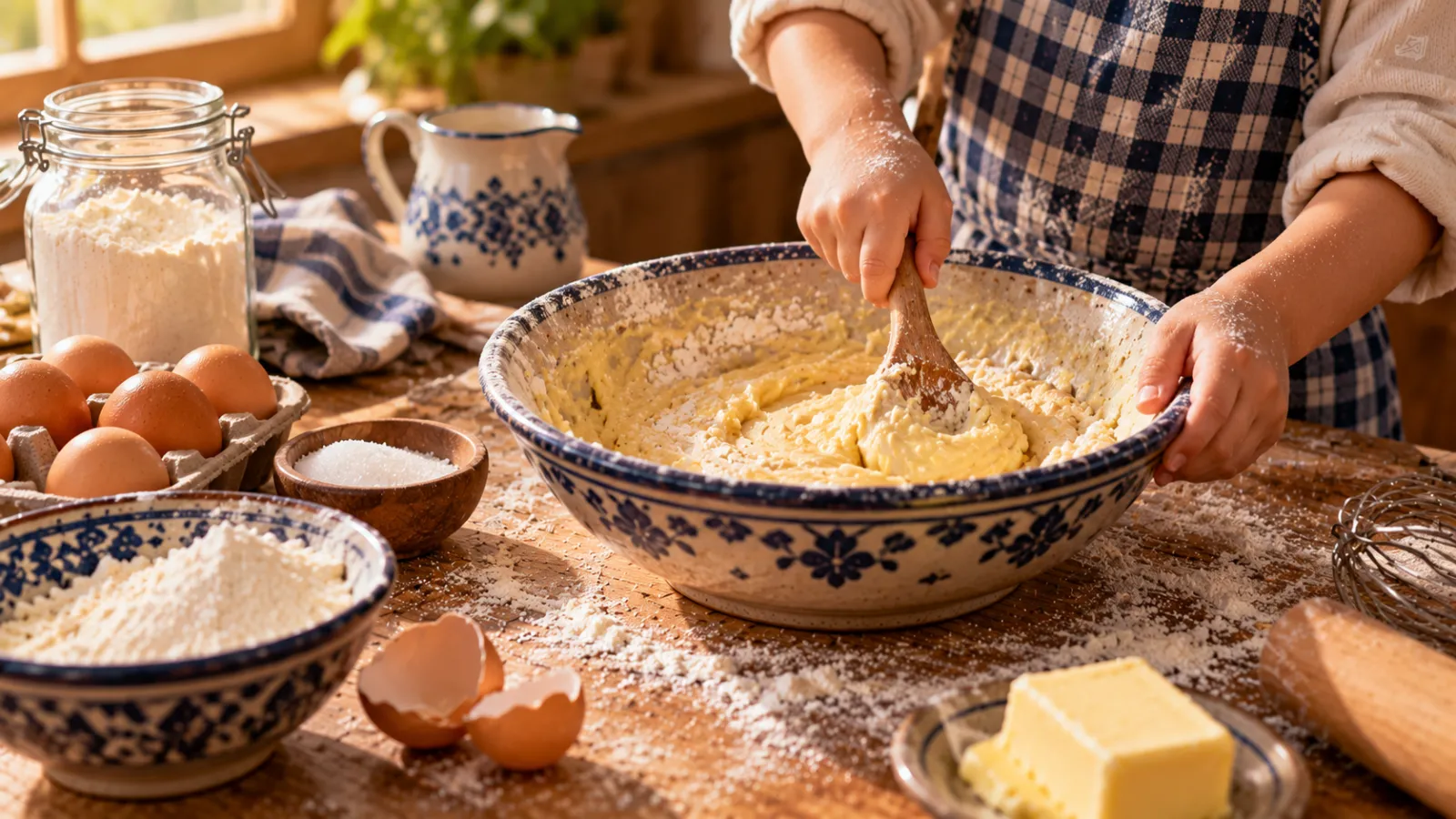
Cooking with children takes a little more time and makes a little more mess, but it pays off. Kids who help in the kitchen learn to follow steps, measure, count and try new foods, and they gain real confidence from making something the whole family eats.
The key is matching tasks to a child's age and skills, setting clear safety rules, and keeping things relaxed. Every child develops at their own pace, so treat the age ranges below as a starting point. You know your child best; move them on to new tasks when they are ready, and always supervise.
Before you start: set up for success
A bit of preparation makes cooking with kids far more enjoyable for everyone.
- Choose the right time. Avoid rushed weekday dinners at first. A weekend morning or a relaxed afternoon works better.
- Read the recipe together and gather all the ingredients and tools before you begin.
- Give them a stable place to work. A sturdy step stool or a low table brings small children to counter height safely.
- Use child-friendly tools: plastic bowls, silicone spatulas, small whisks and, when they are ready, a kid-sized knife.
- Expect mess. Put a mat or towel under the bowl and keep a damp cloth nearby. Cleaning up is part of the lesson.
Kitchen tasks for ages 2–3
Toddlers love to help, but their attention spans are short and fine motor skills are still developing. Choose simple, hands-on jobs and keep them well away from heat and sharp tools.
- Washing fruit and vegetables in a bowl of water
- Tearing lettuce, herbs or bread into pieces
- Stirring cold ingredients in a large bowl
- Pouring pre-measured ingredients into a bowl
- Mashing bananas or cooked potatoes with a masher or fork
- Sprinkling toppings like cheese or seeds
- Carrying unbreakable items to the table
Kitchen tasks for ages 4–6
At this age children can follow simple instructions and enjoy feeling responsible. They can take on more precise tasks and start to learn basic measuring.
- Measuring and levelling dry ingredients with cups and spoons
- Cracking eggs into a separate small bowl (so shell is easy to fish out)
- Spreading butter, jam or nut butter with a blunt knife
- Cutting soft foods such as bananas, strawberries or cooked pasta with a blunt or nylon knife
- Kneading and shaping dough
- Using cookie cutters
- Whisking eggs or batter
- Peeling clementines, hard-boiled eggs or garlic cloves
Kitchen tasks for ages 7–9
Older children can follow a recipe with some help and start learning foundational skills. This is a good time to introduce a proper small knife with close supervision, and to teach the "claw" grip, where fingertips are tucked under the knuckles to keep them away from the blade.
- Reading a recipe aloud and checking off steps
- Using a small, sharp knife to slice soft vegetables, with supervision
- Grating cheese (show them how to stop before their fingers get close)
- Using a peeler, peeling away from the body
- Making simple salads, sandwiches and dressings
- Stirring food on the stove with an adult right beside them
- Greasing and lining baking tins
- Setting a timer and checking cakes or muffins
Kitchen tasks for ages 10 and up
Preteens and teenagers can start cooking full recipes, gradually working towards making a meal on their own. Supervision can step back as they show they understand safety, but stay nearby when they use the stove, oven or sharp knives.
- Following a recipe from start to finish
- Chopping and dicing with a chef's knife using correct technique
- Boiling pasta, cooking rice and draining safely
- Sautéing vegetables and cooking eggs
- Using the oven with proper oven gloves
- Using small appliances like a blender or hand mixer, with guidance
- Planning a simple meal and making a shopping list
Kitchen safety rules for kids
Set a few clear rules before you start and repeat them every time. Short, simple rules are easier for children to remember.
- Wash your hands first. Use soap and warm water and scrub for at least 20 seconds, about the time it takes to sing "Happy Birthday" twice, then dry with a clean towel. Wash again after touching raw meat, poultry, fish or eggs.
- Tie back long hair, roll up sleeves and wear an apron.
- Ask before using the stove, oven, knives or any appliance.
- Turn pan handles inwards so they cannot be knocked off the stove.
- Use oven gloves, not a tea towel, for anything hot, and always assume pans and trays are hot.
- Keep raw meat separate. Use a different board and utensils for raw meat, and never taste raw batter or dough that contains raw eggs or uncooked flour.
- Clean up spills right away so nobody slips.
- Keep electrical appliances away from water and unplug them when finished.
Lead by example. Children copy what they see, so wash your own hands, use the claw grip and turn handles inwards every time.
Easy first recipes to make together
Good first recipes have few ingredients, short steps and a quick, rewarding result.
- Fruit salad or fruit kebabs: washing, cutting soft fruit and threading onto blunt skewers.
- Homemade pizza: spreading sauce, sprinkling cheese and arranging toppings on ready-made bases.
- Yogurt parfaits: layering yogurt, fruit and granola in glasses.
- Banana muffins: mashing, measuring, stirring and filling the tin.
- Sandwich wraps: spreading, filling and rolling.
- Scrambled eggs: a great first stove recipe for older kids, with an adult beside them.
- Simple cookies: rolling dough into balls and decorating.
Quick tips for a happy kitchen
- Give each child their own job so they are not competing for the same bowl.
- Praise effort, not perfection. Lumpy muffins still taste good.
- Let them taste as they go (cooked or safe-to-eat ingredients only) and talk about flavours.
- Keep sessions short with younger kids; 15–20 minutes is plenty.
- Finish by cleaning up together so it becomes part of the routine.
Cooking with kids is less about the finished dish and more about the skills and habits they build along the way. Start small, keep it safe and fun, and let them take on more as their confidence grows. If you need ideas for simple dishes to make together with what you have at home, ask the Smart Chef for a family-friendly recipe.
Reader Comments (0)
Have thoughts on this article?
Sign in to leave a comment or share your experience.
No comments yet
Be the first to share your thoughts on this article!